About HOME SECURITY SYSTEM
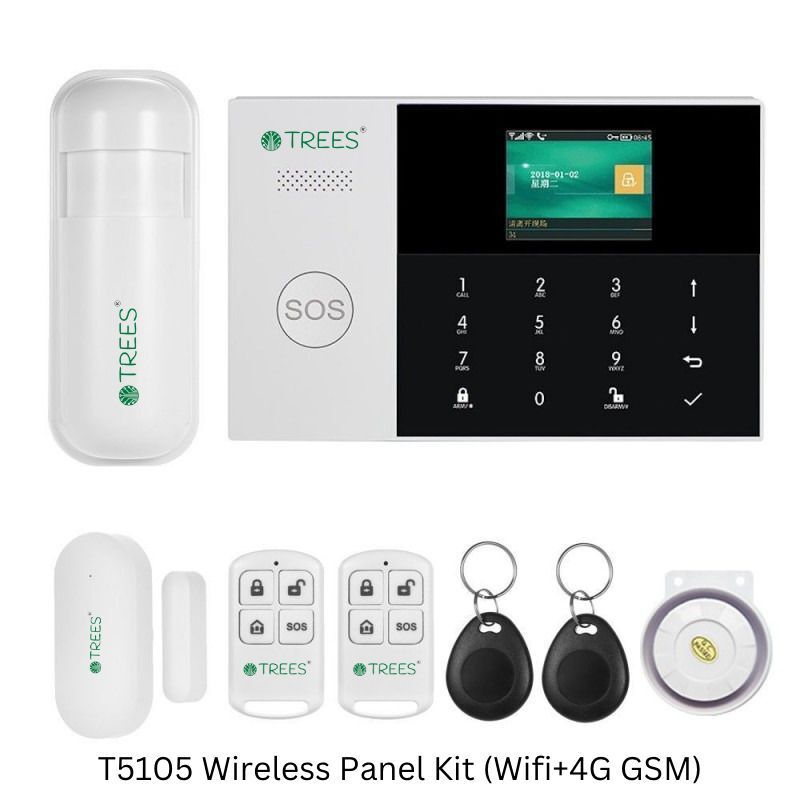
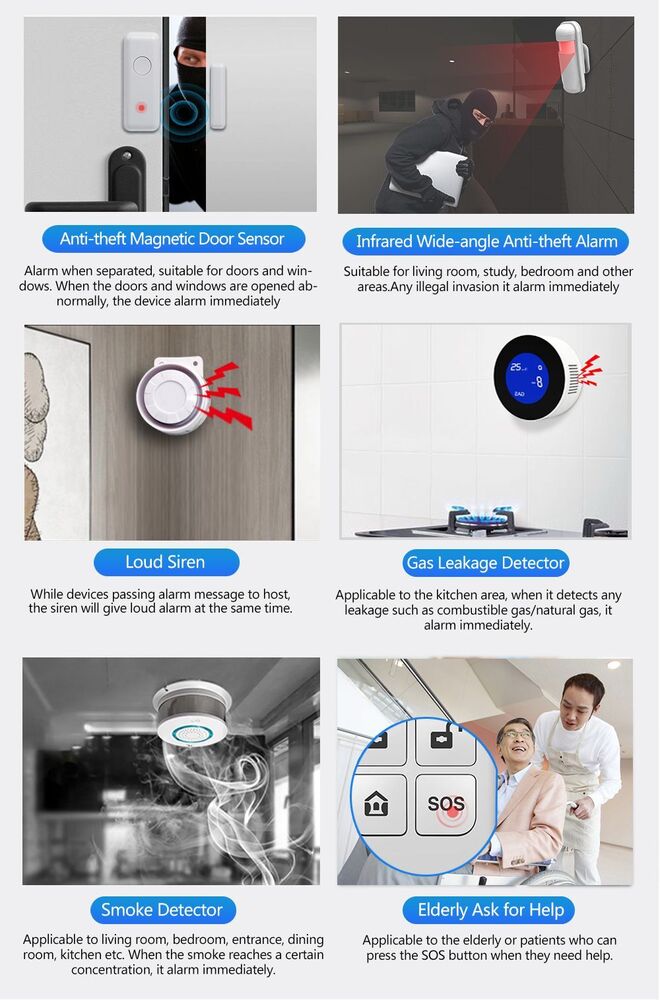
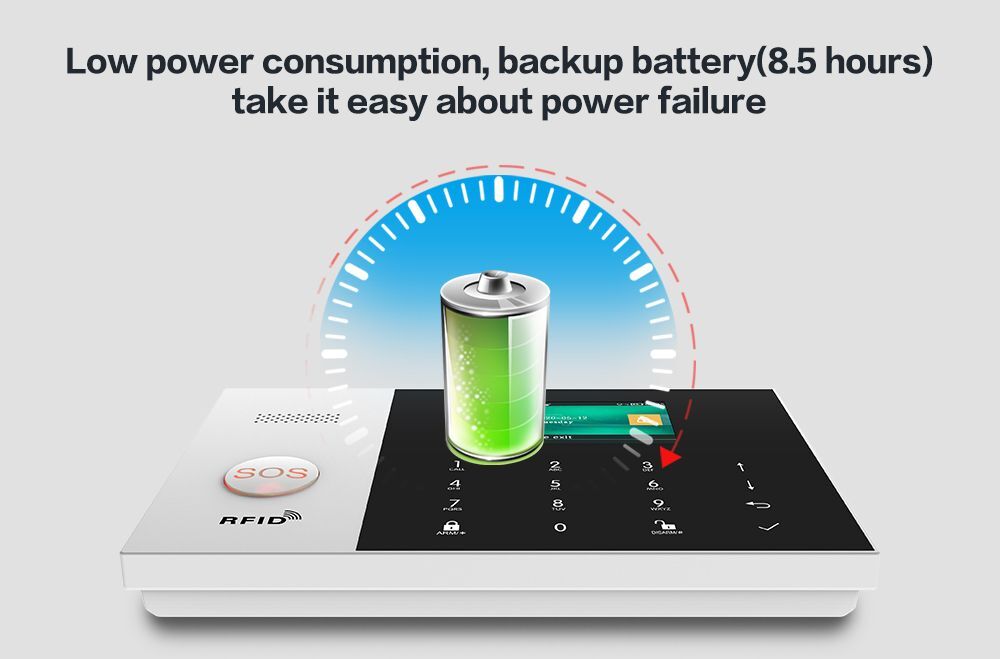
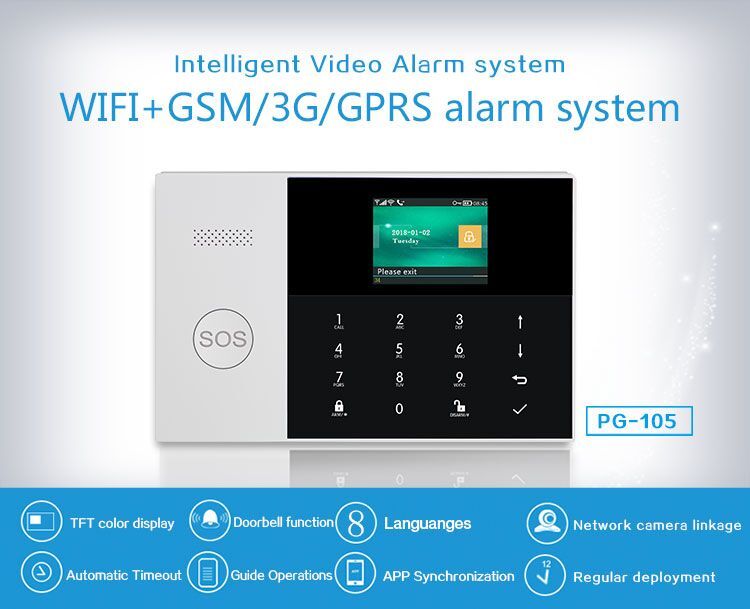
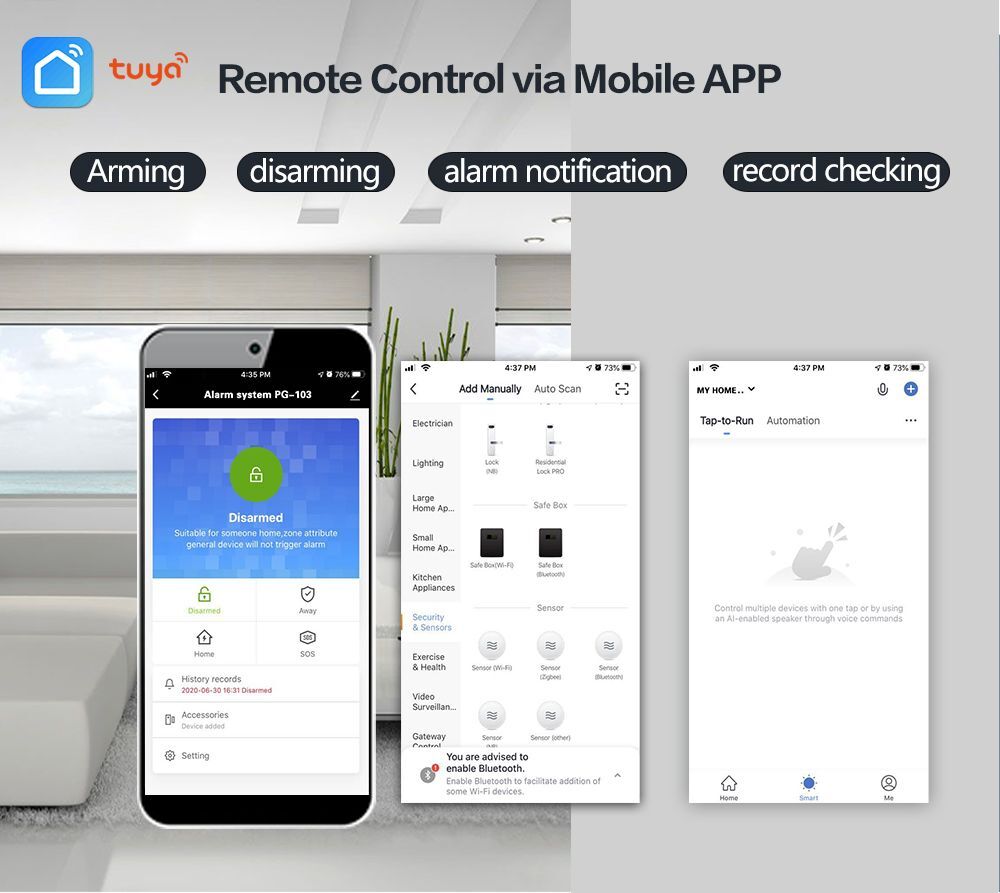
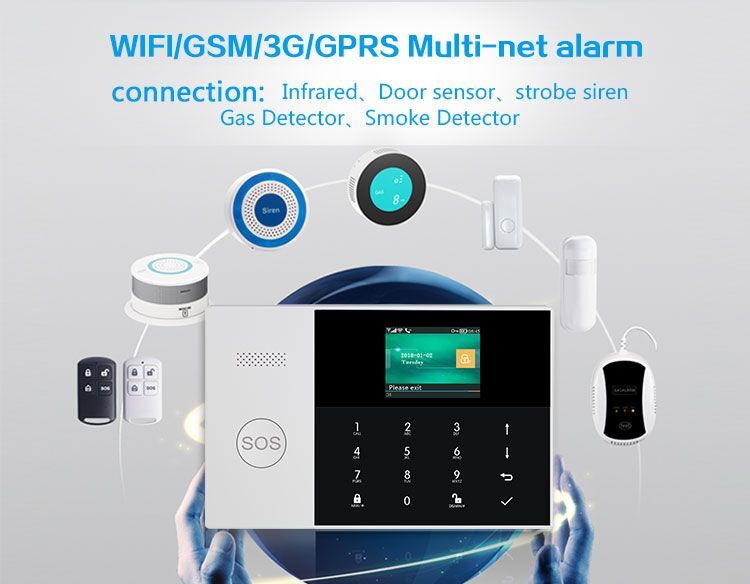
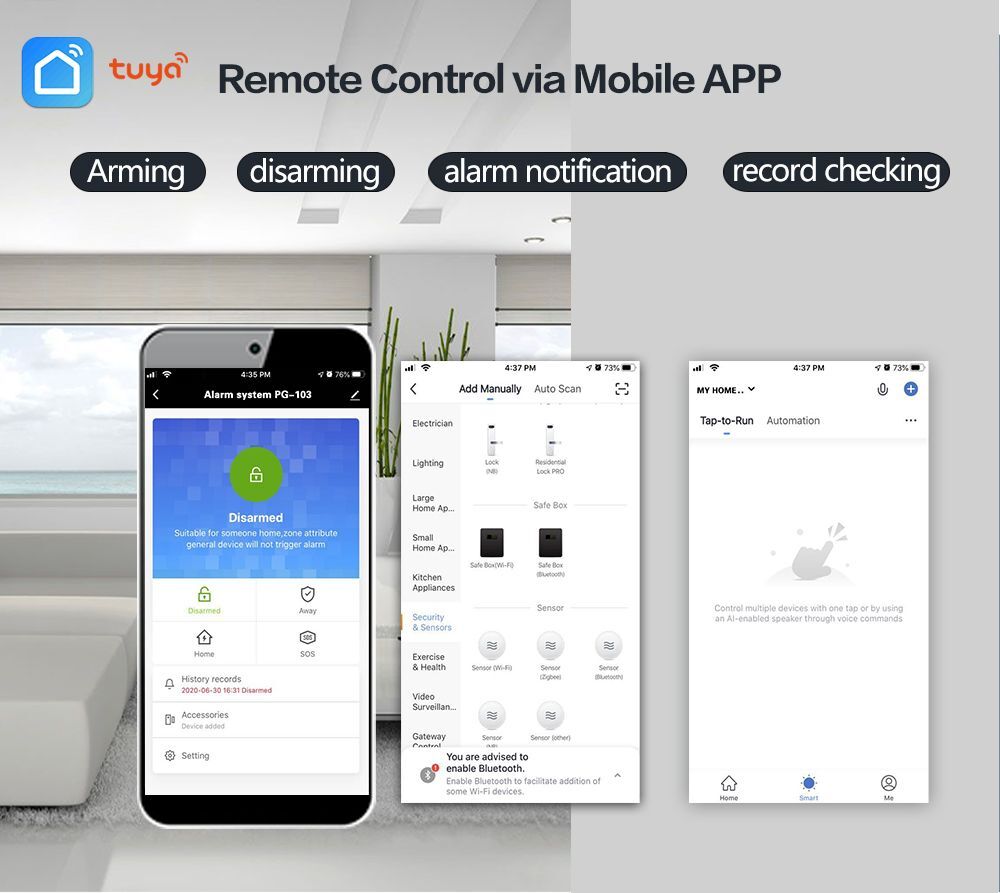
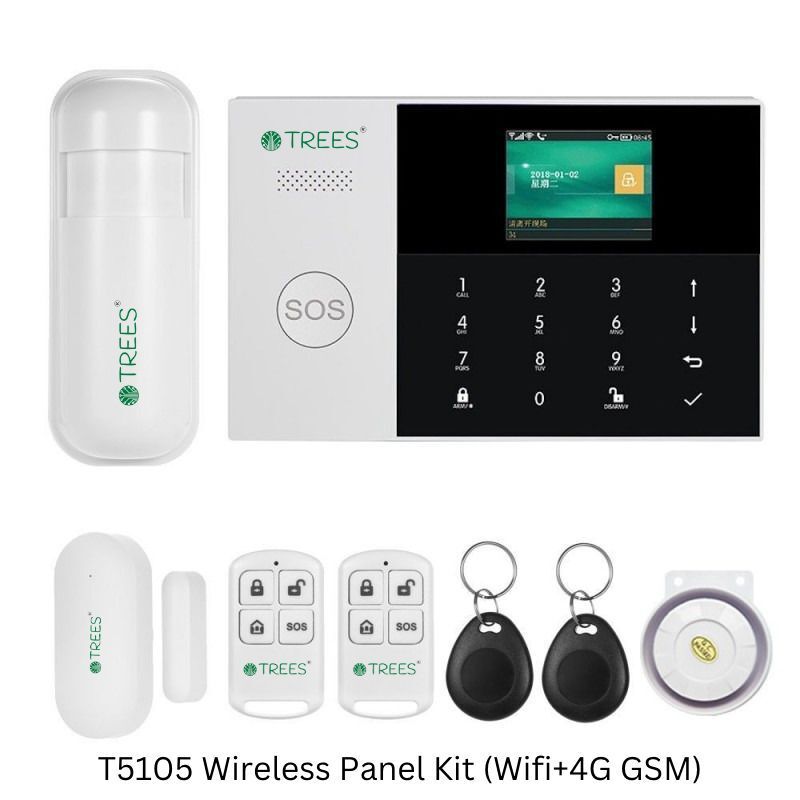
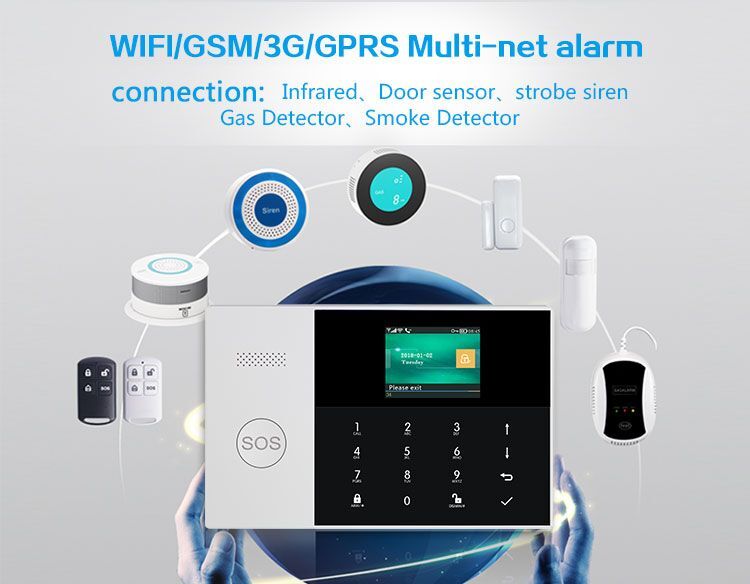
A home security system is designed to protect your property and loved ones from intruders, fire, and other emergencies. It consists of several components that work together to provide comprehensive protection. Heres a brief description of the key elements of a typical home security system: 1. Control PanelThe control panel is the central hub of the security system. It allows you to arm and disarm the system, receive alerts, and manage other connected devices. It can be a touchscreen, keypad, or even controlled remotely via a smartphone app. It typically includes emergency buttons for panic situations and has a backup power supply in case of power failure.2. Door and Window SensorsThese sensors are placed on doors and windows to detect when they are opened or closed. When a sensor is triggered, it sends an alert to the control panel. They are usually magnetic sensors, which create an alarm if the magnetic connection is broken.3. Motion DetectorsMotion detectors use infrared or microwave technology to sense movement within a specified area. When someone moves in the monitored space, the sensor triggers an alarm. These detectors can cover large areas and are ideal for hallways or rooms that need extra protection. Some versions are pet-friendly to avoid false alarms from small animals.4. Security CamerasCameras are used to monitor both the interior and exterior of your property. They can record footage continuously or activate when motion is detected. Many modern cameras offer features like HD video quality, night vision, and remote access, allowing homeowners to view footage live through a smartphone app. They also store recordings for future review.5. Smart LocksSmart locks allow you to lock and unlock doors without using traditional keys. You can control them remotely via an app, set temporary access codes for guests, or use biometric systems like fingerprints for keyless entry. These locks offer added convenience and security.6. Environmental SensorsThese sensors monitor environmental hazards like fire, smoke, carbon monoxide, and flooding. In case of dangerous conditions, they can trigger an alarm and send an alert to the homeowner or monitoring service. Environmental sensors can be vital for preventing serious damage or injury.7. Siren/AlarmThe siren or alarm is an essential part of the system, designed to alert both you and nearby individuals to a potential security breach. These alarms are usually very loud (100+ decibels) and may include flashing lights to attract attention. The sound deters intruders and lets everyone know there is a problem.8. Remote Monitoring & Mobile AppMost modern home security systems offer remote monitoring through a mobile app. This allows you to control the system from anywhere, receive real-time notifications, and even view live video feeds from cameras. With mobile integration, you can arm or disarm the system, check sensor status, and manage alerts remotely.9. Backup Power SupplyA backup power supply ensures that the system continues to work during a power outage. This typically involves a rechargeable battery that powers the system for a certain period of time, allowing continued security coverage even if the electricity goes out.10. Professional Monitoring (Optional)Some home security systems offer professional monitoring services, where a security company monitors your system 24/7. If an alarm is triggered, they can verify the emergency and immediately dispatch authorities (police, fire, or medical services). Professional monitoring provides peace of mind, knowing that someone is always watching over your property.11. Smart Home IntegrationMany security systems integrate with other smart home devices such as lights, thermostats, and doorbell cameras. This allows you to create automated routines (e.g., lights turning on when motion is detected) and increase convenience and security.Together, these components form a comprehensive home security system that helps safeguard your home, family, and possessions.
FAQs of HOME SECURITY SYSTEM:
Q: What is the input power requirement for the HOME SECURITY SYSTEM?
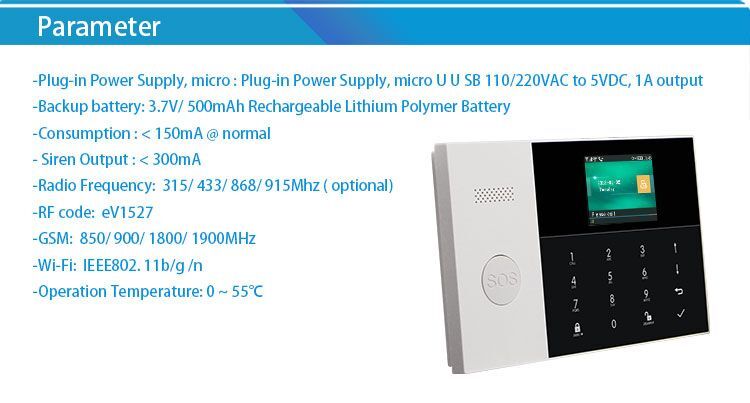
A: The HOME SECURITY SYSTEM requires an input power of 5 Volts (V).
Q: Is the HOME SECURITY SYSTEM suitable for outdoor use?
A: Yes, the HOME SECURITY SYSTEM is weatherproof, making it suitable for both indoor and outdoor use.
Q: What type of alarms does the HOME SECURITY SYSTEM provide?
A: The system provides alarms via phone call, siren, and notification.
Q: What is the temperature range within which the HOME SECURITY SYSTEM can operate?
A: The HOME SECURITY SYSTEM operates in a temperature range of -20 to 60 Celsius (C).
Q: Does the HOME SECURITY SYSTEM come with remote control functionality?
A: Yes, the HOME SECURITY SYSTEM includes remote control functionality.
Q: What materials are used in the construction of the HOME SECURITY SYSTEM?
A: The HOME SECURITY SYSTEM is made from ABS material.
Q: What is the warranty period for the HOME SECURITY SYSTEM?
A: The product comes with a 2-year warranty period.








 Send Inquiry

 Send Inquiry